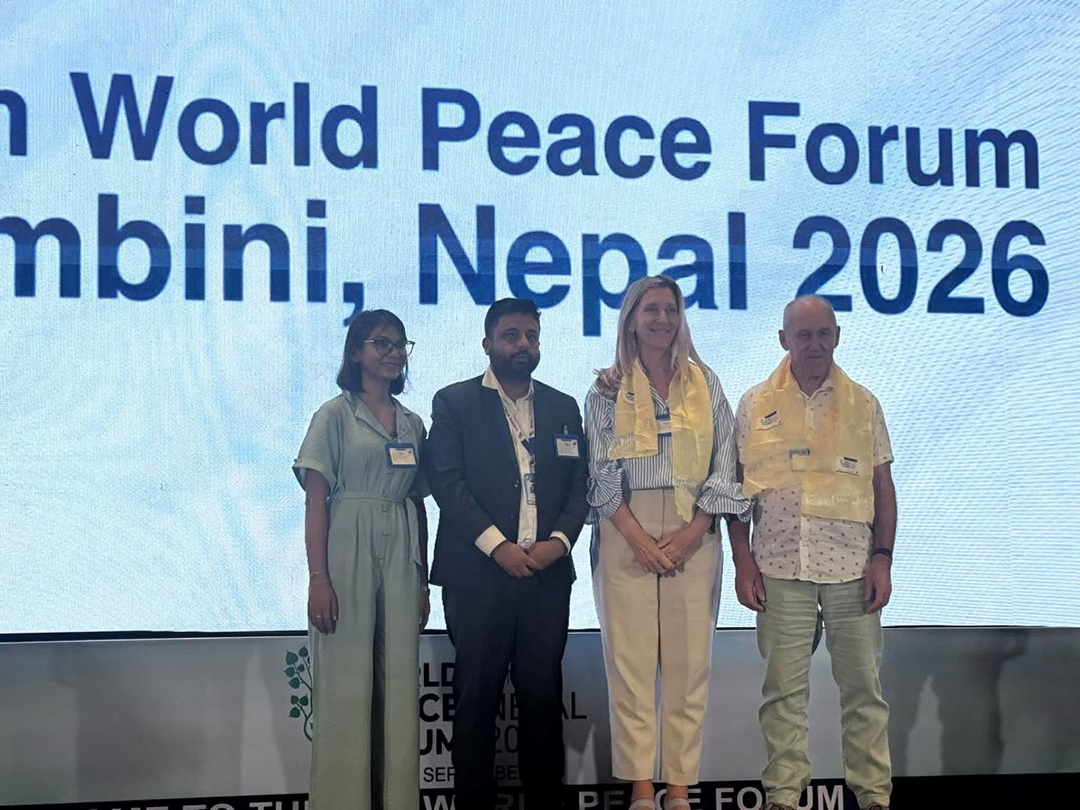
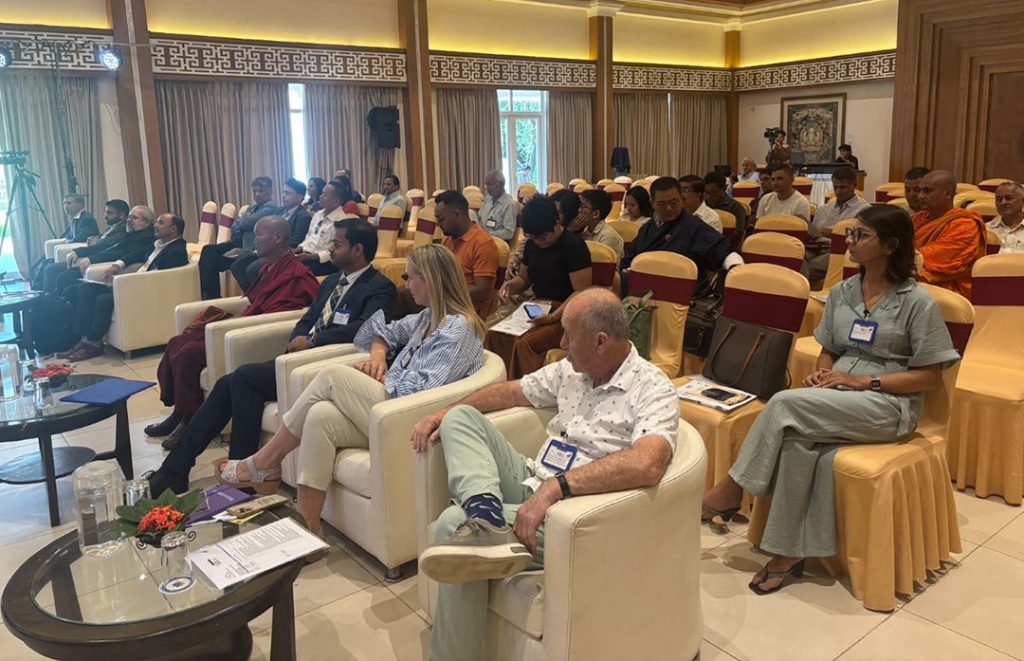
Kathmandu, Sept 25: The three-day summit, the 17th World Peace Forum, has concluded adopting unanimously the Lumbini World Peace Declaration–2026.
The Summit issued a resounding call to world governments and international organizations to immediately halt ongoing conflicts and prioritize global harmony.
Held under the central theme “Reimagining Peace in the 21st Century,” this year’s forum marks a historic milestone as the first-ever World Peace Forum to be hosted in South Asia, drawing delegates to the birthplace of Lord Buddha to unite diverse cultures, nations, and continents under a shared umbrella of peace, according to the press release issued on Wednesday.
The joint declaration was officially issued on Wednesday by Vicky Hansen, President of the Shenzhen Peace Foundation, and Basu Gautam, Founder and President of the Lumbini World Peace Forum.
Urgent Appeal Amid Rising Tensions
The declaration expresses deep concern over escalating geopolitical tensions, the looming threat of nuclear proliferation, and mounting polarization across the globe. It urges world leaders, policymakers, and international institutions to move away from hostility and embrace inclusive diplomacy, dialogue, and multilateral cooperation to resolve international disputes.
Key Pillars of the Lumbini Declaration
Beyond calling for an end to armed conflicts, the comprehensive roadmap outlines crucial directives for sustainable global peace:
Education for Peace: The declaration stresses the integration of peace education, empathy, global citizenship, and critical thinking into school and higher education curricula to nurture a culture of non-violence from a young age.
Climate Justice: Acknowledging the deep link between environmental degradation and instability, the forum called for urgent global action on climate justice, warning that ecological crises threaten vulnerable populations and exacerbate resource conflicts.
Ethical Technology: The document highlights the need for the responsible and ethical use of emerging technologies, calling for governance frameworks to prevent the misuse of digital tools and artificial intelligence in ways that undermine human rights or security.
Inclusive Diplomacy: It advocates for grassroots community engagement and the inclusion of marginalized voices, women, and youth in peacebuilding processes.
Organizers noted that hosting the forum in Lumbini served as a powerful reminder of Buddha’s timeless message of compassion and non-violence, offering a much-needed moral compass for navigating the complex challenges of the 21st century. TRN