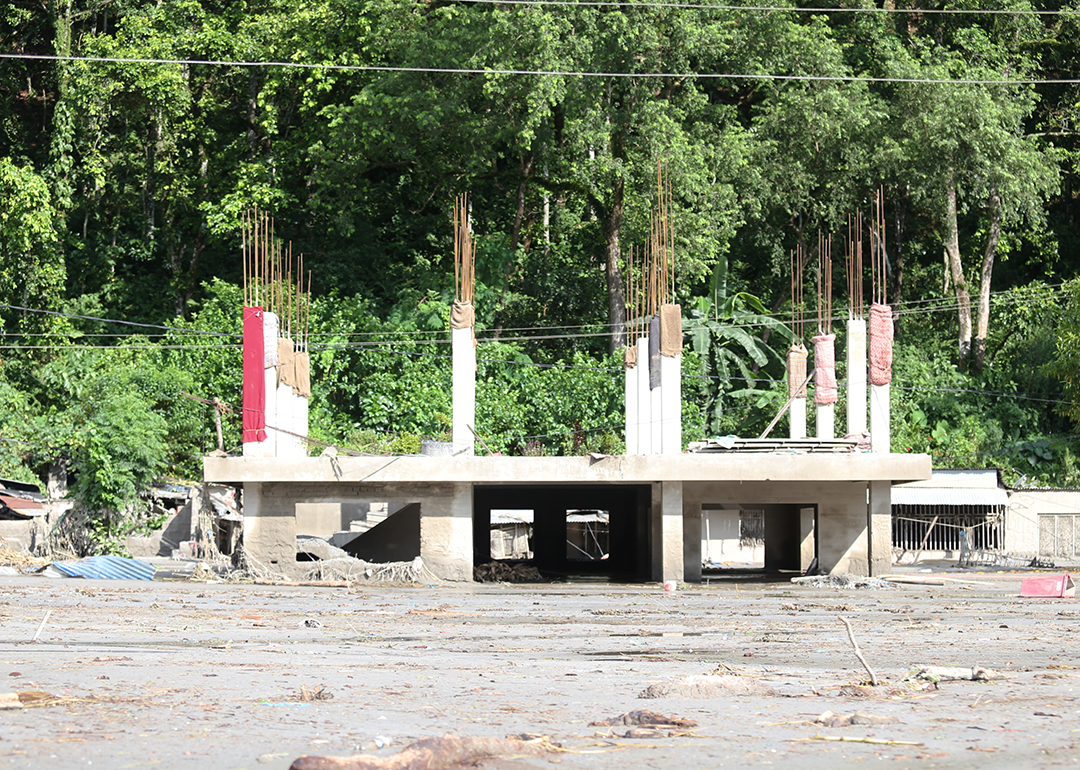
Kathmandu, Sept. 25: The government has been placed on high alert and is fully mobilised to protect citizens and property from potential risks caused by the ongoing rainfall across the country.
In line with Prime Minister Balendra Shah’s directive to take all necessary precautions before leaving for the United States to attend the United Nations General Assembly, the concerned ministries and their subordinate agencies have stepped up preparedness and response measures.
According to government, Acting Prime Minister and Finance Minister Dr. Swarnim Wagle on Thursday held discussions with the concerned ministers on disaster preparedness and said that all government ministries and their agencies had been fully mobilised and placed on high alert to prevent loss of life and property.
He also urged local governments to make full use of their resources for post-disaster response without hesitation.
The Ministry of Home Affairs has issued a circular to all 77 Chief District Officers, directing them to hold meetings of the District Security Committees and keep the Nepali Army, Nepal Police and Armed Police Force on standby.
Public announcements are being made in riverside areas to alert locals, while people from settlements at risk are being moved to safer locations.
Hospitals, ambulances and health centres have also been kept ready to provide emergency services.
The Ministry of Culture, Tourism and Civil Aviation has urged hotel operators to relocate tourists to safe locations and provide necessary assistance.
It has also directed authorities to strictly enforce safety standards for domestic flights according to weather conditions and give priority to rescue flights. The Ministry of Education and Sports has decided that schools may be closed as necessary in coordination with local governments.
It has also facilitated the postponement of scheduled examinations from September 25 to 27 and the use of safe school buildings as temporary shelters.
The Ministry of Health and Food Safety has kept health personnel, medicines and ambulance services on standby round the clock at hospitals through health emergency operation centres in all seven provinces.
The Ministry of Industry, Commerce and Supplies has directed the Food Management and Trading Company and Nepal Oil Corporation to ensure adequate stocks and regular distribution of food and fuel.
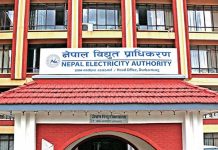
It has also intensified market monitoring to prevent artificial shortages and black-marketing. The Ministry of Energy, Water Resources and Irrigation has extended the lead time for flood warnings, making arrangements to provide advance information five days ahead for major rivers and 48 hours ahead for smaller rivers. The Nepal Electricity Authority has kept its personnel standby to restore disrupted electricity services immediately.
The Ministry of Agriculture, Forests and Environment is issuing a special agro-meteorological advisory bulletin daily to protect crops and agricultural produce from monsoon-related risks.
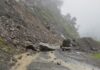
The Ministry of Infrastructure Development has deployed heavy equipment such as bulldozers and excavators near vulnerable road sections, keeping them operational around the clock.
It has also imposed restrictions on the operation of high-risk roads at night.
The Ministry of Land Management, Cooperatives and Federal Affairs and General Administration has directed employees of all 753 local levels not to take leave until Sunday and instructed chief administrative officers to remain in regular contact.
Nepal Telecom, under the Ministry of Information and Communication, is sending regular alerts to areas at risk of flooding. It has also made arrangements for people to obtain weather and flood early-warning information by dialing 1155.
In an emergency, citizens can contact the Department of Hydrology and Meteorology at 1155, the District Emergency Centre at 1234, Hello Sarkar at 1111, Nepal Police at 100 and the Armed Police Force at 1114 for assistance. TRN