Kathmandu, Sept. 26: As Nepal marks the 12th National Safe Abortion Service Day on September 26 and International Safe Abortion Day on September 28, concerns are growing over access to contraception and sexual and reproductive health services for women and girls affected by the recent floods in Rasuwa.
National Safe Abortion Day is observed to raise awareness of women’s legal right to safe abortion, access to quality reproductive health services, and the importance of preventing unsafe abortion.
Nepal legally permitted abortion under specified conditions in 2002 and has since expanded access to safe abortion services. However, women and girls continue to face barriers, including limited information, stigma, shortages of contraceptives and medicines, financial constraints, and disruptions to health facilities, particularly during disasters.
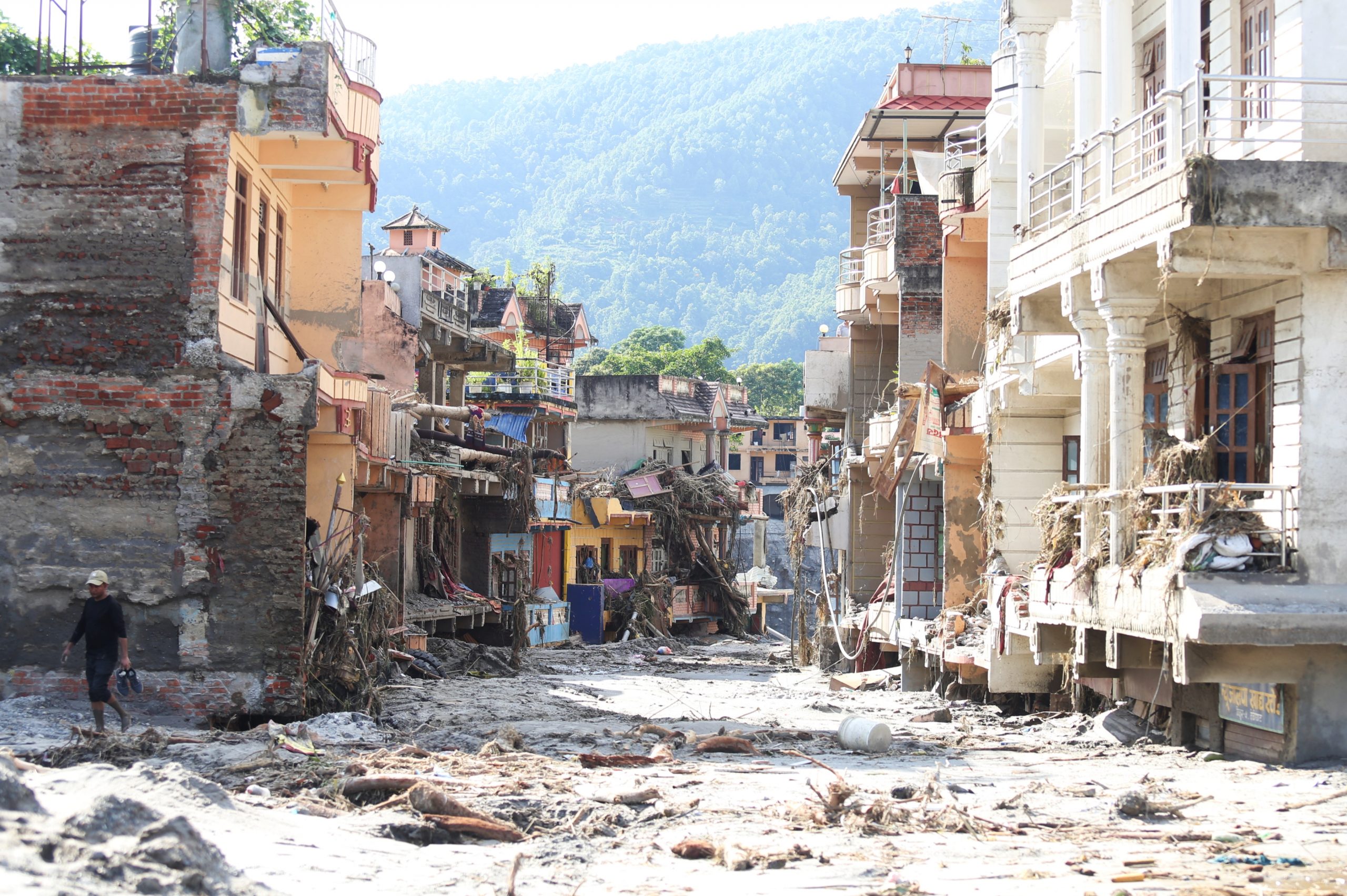
This year’s observance comes amid concerns that floods, landslides, and damage to health facilities and transportation networks could further disrupt access to contraception and safe abortion services among those women in need.
The affected communities may face shortages of family planning contraceptive commodities, including injectable contraceptives, intrauterine devices and condoms.
According to the United Nations Population Fund (UNFPA), about 98,560 women of reproductive age, including approximately 5,030 pregnant women, have been affected. Damage to health facilities, roads and transport systems has disrupted access to sexual and reproductive health and maternal health services.
The immediate concern is not that floods automatically lead to more abortions, but that disruptions to contraception can increase the risk of unintended pregnancies while making reproductive health services more difficult to access.
Significant progress has been made over the past 24 years since abortion was established as a reproductive health right in Nepal and safe abortion services were expanded. However, emergencies can quickly undermine access to essential services, particularly for women living in remote and disaster-affected areas.
Nabin Kumar Shrestha, an advocate at the Forum for Women, Law and Development (FWLD), said women and girls are among those most affected during disasters because they can lose access to information and services related to sexual and reproductive health.
“During disasters, the focus is primarily on rescue, relief distribution and other immediate response activities. As a result, sexual and reproductive health services are often overlooked,” he said. He said disruptions to health facilities could leave women without access to safe abortion services.
“When health facilities are closed, women have no opportunity to seek services,” he said, warning that some may resort to unsafe traditional methods to terminate pregnancies, putting their health and lives at serious risk. FWLD has long advocated for women’s right to dignified reproductive health care and access to safe abortion services.
Dr. Deeb Shrestha Dangol, a gynaecologist, said women and girls may also face increased risks of sexual violence in temporary shelters, particularly where privacy and security are inadequate. Girls and people with disabilities can be especially vulnerable to sexual abuse and other forms of violence.
She said maintaining supplies of contraceptives and other sexual and reproductive health commodities during emergencies should be a priority.
“Our strategy should focus on ensuring the regular availability of sexual and reproductive health supplies during disasters, including contraceptives as an essential component,” she said. “When access to contraception is disrupted by disasters, who protects women from unintended pregnancies?”
Families displaced by floods may also face overcrowding and a lack of privacy. UNFPA has warned that such conditions, combined with weakened community protection mechanisms, can increase the risks of sexual violence, exploitation and other protection concerns.
Previous emergencies have shown how quickly reproductive health services can be disrupted. Research conducted during the COVID-19 pandemic found that safe abortion services at Paropakar Maternity and Women’s Hospital fell by 34.4 per cent in 2020 compared with the previous year, while family-planning services declined by 39 per cent.
According to the Department of Health Services’ annual health report, 104,153 women accessed safe abortion services during the fiscal year 2024/25. Medical abortion remained the dominant method, accounting for 70.59 per cent of services, while surgical abortion accounted for 29.44 per cent. TRN