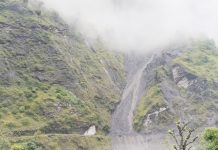
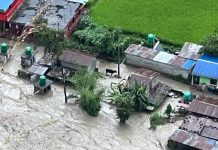
Kathmandu, Nepal — Nestled in the heart of the Himalayas, Nepal faces a grave threat from climate change due to its unique geographic and topographic features. The impact of global temperature increases is particularly severe in the Himalayan region, exacerbating the risks of snow melting, glacier formation, and the enlargement of existing mountain glaciers. These changes pose a significant threat, including increased flood risks from glacier breakages.
A comprehensive study by the international organization Germanwatch, based on the long-term climate risk index (2000-2019), ranked Nepal 10th among the countries most at risk from climate change. The findings highlight the acute vulnerability of the region to climate-induced disasters.
Economic and Human Toll
The economic survey for the financial year 2080/081, released today by the Government of Nepal, underscores the annual human and economic losses the country suffers due to climate-related disasters. The survey reveals that Nepal has implemented various policy, legal, and institutional frameworks to mitigate and adapt to the effects of climate change.
According to the Intergovernmental Panel on Climate Change (IPCC), the earth’s average temperature has risen by 1.1 degrees Celsius since the period 1850-1900. This increase presents significant challenges in maintaining a balance between human communities and ecosystems. The economic survey also indicates that human activities contribute to climate change-related disasters, with high temperatures causing unseasonal rains, extreme rainfall, and droughts, which in turn negatively affect production, productivity, employment, income, and livelihoods.
International and National Efforts
Various agencies are working to implement international agreements such as the United Nations Framework Convention, Kyoto Protocol, and Paris Agreement to combat climate change. Nepal is an active participant in these treaties and is making strides in climate change mitigation and adaptation.
A recent study by the International Center for Integrated Mountain Development (ICIMOD) in 2023 reports a 65 percent decrease in glacier mass in the Hind Kush Himalaya region. The study estimates that by 2050, water flow in the region’s main river basins will initially increase due to snow melt, but will eventually decline in volume.
Greenhouse Gas Emissions
Globally, greenhouse gas emissions have shown a marked increase, rising from 32.66 billion metric tons in 1990 to 47.51 billion metric tons in 2020. However, emissions decreased by 4.7 percent in 2020 compared to 2019. According to Climate Watch statistics, China and the United States are the largest emitters, contributing 25.88 percent and 11.13 percent of global emissions, respectively.
Nepal’s greenhouse gas emissions have also seen a rise in recent years. Despite a reduction between 2000 and 2008, emissions have surged in subsequent years, reaching 40.7 million metric tons in the last decade (2011-2020), compared to an average of 2.8 million metric tons in the 1990s.
Conclusion
Nepal’s geographical vulnerability to climate change demands urgent and sustained efforts to mitigate and adapt to the ongoing environmental crisis. The government, in conjunction with international bodies, is actively working to address these challenges, but the increasing frequency and severity of climate-related disasters highlight the need for immediate and robust action to safeguard the region’s future.