Sankhuwasabha, Nepal – September 20, 2023
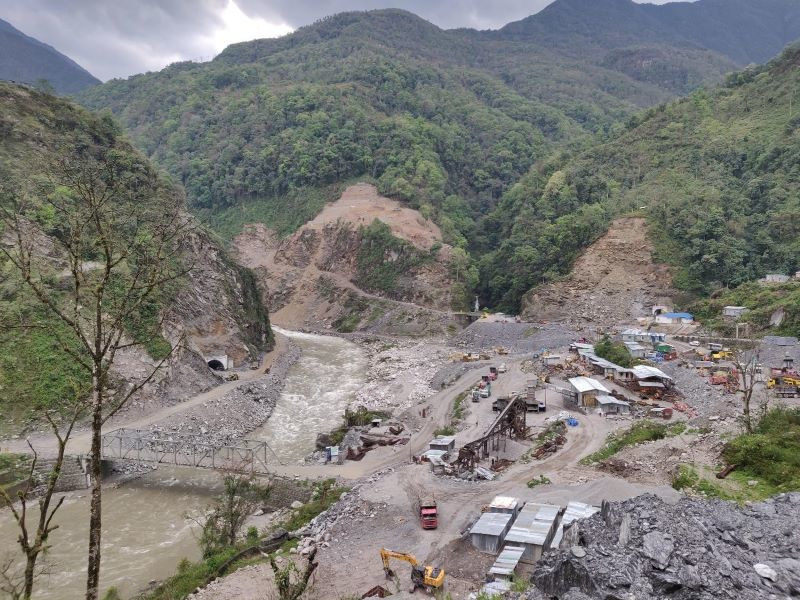
Kathmandu: Construction work on the powerhouse of the ambitious 900-megawatt Arun III hydropower project, located in Sankhuwasabha, Nepal, has come to a grinding halt due to ongoing protests by local residents. The demonstrators, who have been demanding compensation for land to be acquired along the Chhyangkuti-Diding Pukhuwa approach road of the project site, have brought the vital infrastructure project to a standstill for approximately three weeks.
The protesters, organized under the banner of the Arun Entrance Route Struggle Committee, took to the streets after their grievances went unanswered by the government. Jani Kumar Rai, the coordinator of the committee, expressed the frustrations of the local populace, who have been demanding compensation for land acquisition for seven years.
The disputed land in question spans from Chhyangkuti to Pukhuwa, amounting to 454 ropanis. The demonstrators have issued a warning, vowing to continue their protest until the compensation is deposited in the account of the district administration office.
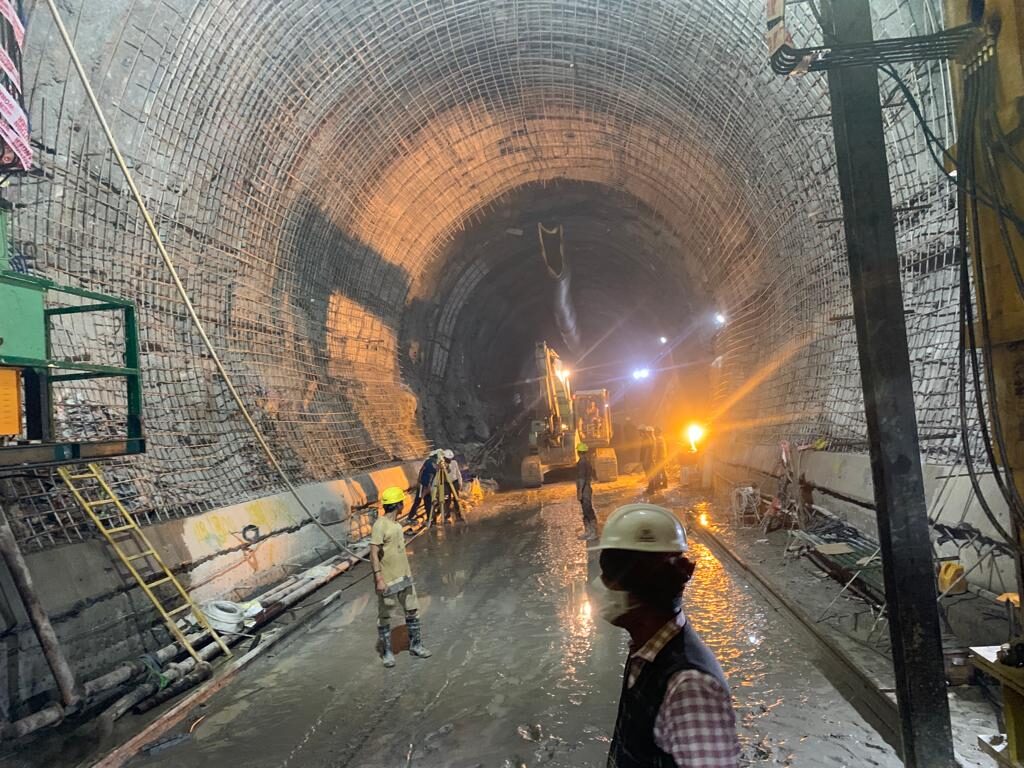
The impasse carries significant financial consequences, as per the project development agreement with the Indian construction company, Satluj Jal Vidyut Nigam. In the event of construction halts caused by local disputes, the Government of Nepal is liable for daily losses of Rs 80 million.
This situation has deepened after the Compensation Determination Committee, formed to address the concerns of the affected locals, decided on May 9, 2023, to provide compensation of Rs 1.1 million per ropani of land acquired along the Chhyangkuti-Diding road for the project. However, the affected residents have yet to receive this compensation.
The Arun III hydropower project, with an estimated cost of over Rs 115 billion, is poised to provide Nepal with 197 megawatts of much-needed electricity. Currently, more than 3,000 workers are employed on the project, and the construction delay raises concerns about both the project’s completion timeline and its potential impact on the nation’s energy needs.